
The next Jupiter 7 hydroponics experiment is officially underway. Before the finished system gets plants, pumps, tubing and nutrient solution, everything starts with something much smaller: seeds.
Starting the Grow Test
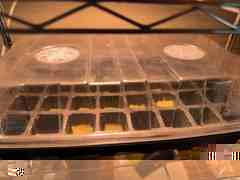
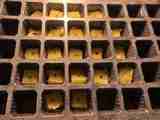
We started a small batch of seeds in rockwool cubes under a humidity dome and grow light. Lettuce is part of the first round, along with spinach as we locate and sort the seed supply. We’re also experimenting with okra separately to see how it responds before deciding where it fits into the garden.
It didn’t take long before the first signs of life appeared. Several seeds have already cracked open and tiny roots and shoots are beginning to emerge from the cubes. That gives us seedlings growing at the same time the hardware is being finished.
Building the System at the Same Time
This grow test is also part of a larger Jupiter 7 project: designing a compact, inexpensive three-plant hydroponic system that can be assembled without requiring a complicated setup.
The tower itself is being designed and 3D printed here in the workshop. The main growing sections now lock together, the plant openings have been redesigned for cleaner printing, and we’re working through the final base connection, reservoir mounting, pump and tubing arrangement. We’re also designing our own 2.5-inch Kratky-style net pot while comparing it against inexpensive commercially available pots.
The Goal
The idea isn’t to build the fanciest hydroponic garden possible. We want to see how simple, affordable and approachable we can make one while still giving somebody a system that actually works.
For this prototype, we’re testing the entire process ourselves: germinating the seeds, assembling the printed tower, selecting the pump and tubing, circulating the water, transplanting the seedlings and ultimately growing plants in the finished unit. The design will continue to change as we find things that work — and things that don’t.
Next Mission
Next up is finishing the lower mounting system, assembling the first complete prototype and getting water moving through it. If everything behaves the way it should, some of these little seedlings will become the first residents of the new Jupiter 7 hydroponic tower.
More updates from the garden and workshop soon.


Leave a Reply